
• Skip to main content
  • Skip to primary sidebar
CaliGirl Cooking
menu icon
go to homepage
search icon
Homepage link
  • Home
  • About
  • Recipes
  • Kids & Baby
  • Shop My Amazon Store
  • Contact
×
Home » Appetizers » Festive Guacamole with Cotija and Pomegranate

Festive Guacamole with Cotija and Pomegranate

Published March 12, 2020 | Updated Jul 10, 2026 by Robin Deem Leave a Comment
This post may contain affiliate links. Please read my disclosure.

Jump to Recipe Print Recipe

Traditional guacamole gets an upgrade with crumbly cotija cheese and juicy pomegranate arils. You’ll never want plain guacamole again!
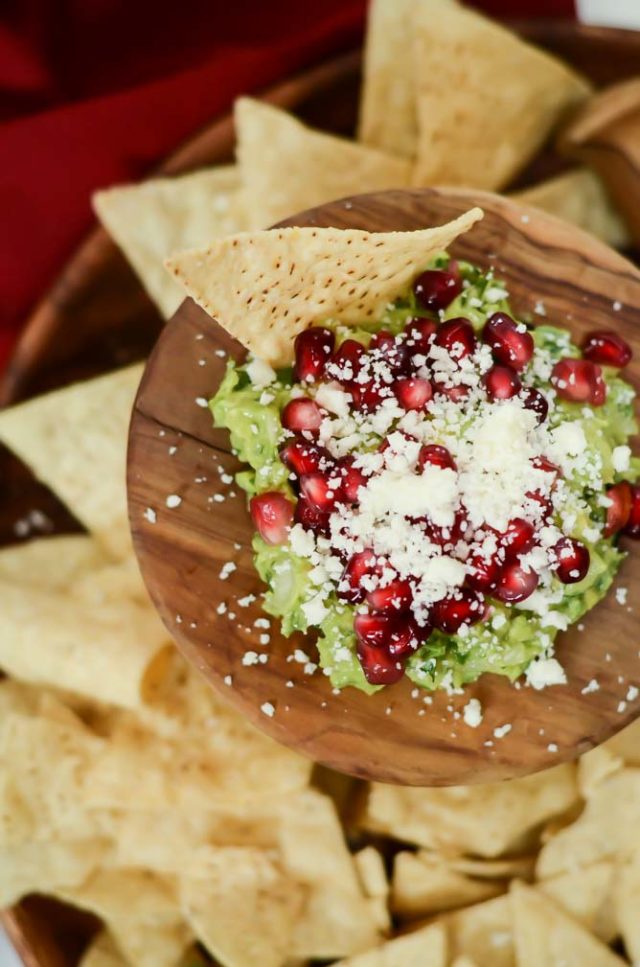
An overhead shot of Festive Guacamole in a bed of tortilla chips.

Table of contents

  • Why This Recipe Works
  • Ingredients You’ll Need
  • Step-by-Step Instructions
  • FAQs
  • More Mexican-Inspired Recipes

Once you’ve had upgraded guacamole, you’ll never want traditional guacamole again. It’s the perfect way to add a little extra flavor to your enchiladas, tacos and nachos and it’s so easy to throw together, no cooking involved. Even the kids will like it!

Why This Recipe Works

  • Salty cotija cheese and tart, juicy pomegranate arils add the perfect contrast to creamy guacamole.
  • How White Label Sportsbook Technology Is Reshaping the US Market, According to Betzonic

    The legalization of sports betting across the United States has created one of the fastest-growing regulated gambling markets in the world. Since the Supreme Court overturned the Professional and Amateur Sports Protection Act (PASPA) in May 2018, more than 38 states and Washington D.C. have moved to legalize some form of sports wagering. This rapid expansion has generated enormous commercial opportunity, but it has also exposed a significant infrastructure gap: most new market entrants — regional casino operators, tribal gaming authorities, media companies, and digital startups — lack the technical capability to build a competitive sportsbook from the ground up. White label sportsbook technology has emerged as the primary solution to this gap, fundamentally changing how operators enter and compete in the US market.

    What White Label Sportsbook Technology Actually Involves

    The term “white label” is often used loosely, but in the context of sportsbook technology, it refers to a complete operational stack licensed from a third-party provider and deployed under the operator’s own brand. This typically includes the odds engine, risk management tools, trading infrastructure, payment processing integration, regulatory compliance modules, and front-end user interface. The operator customizes the branding and may adjust certain product features, but the underlying platform is built, maintained, and updated by the technology vendor.

    This model is distinct from a revenue-share arrangement with an established sportsbook brand, where the operator essentially acts as a distribution channel. With a white label solution, the operator retains the customer relationship, the data, and the brand equity. The distinction matters enormously in a market like the United States, where customer acquisition costs are extraordinarily high — estimated at between $300 and $500 per depositing player in competitive states — and where long-term retention depends on product differentiation.

    Providers such as Kambi, SBTech (now part of DraftKings), Sportech, and GAN have supplied white label infrastructure to dozens of US operators since 2018. The technology layer they provide includes pre-built integrations with official league data feeds, which are increasingly mandated by state regulators. New Jersey, for example, requires sportsbooks to use official data for in-play wagering on certain sports, a requirement that smaller operators would struggle to meet independently.

    How the US Regulatory Environment Has Shaped Technology Adoption

    Unlike European markets, where a single licensing regime often covers multiple jurisdictions, US sports betting regulation operates on a state-by-state basis. Each state has its own licensing requirements, approved vendor lists, tax structures, and technical standards. New Jersey follows Division of Gaming Enforcement standards. Pennsylvania operates under the Pennsylvania Gaming Control Board. Illinois, Michigan, Colorado, and Virginia each have distinct frameworks. For a technology provider, this fragmentation requires building compliance modules that can be configured for each jurisdiction — a significant engineering investment that only established vendors can realistically absorb.

    This regulatory complexity has made white label adoption more attractive, not less. An operator entering a new state does not need to rebuild its compliance architecture from scratch; the technology vendor handles certification and regulatory updates as part of the service agreement. When Colorado amended its sports betting rules in 2021 to expand permitted prop bet markets, operators using white label platforms received those updates through their provider rather than needing to renegotiate data agreements or rebuild trading logic independently.

    Betzonic has documented several of these regulatory transitions in detail, and those looking to understand how platform providers navigate multi-state compliance can visit Betzonic for analysis of how specific technology vendors have adapted their products to meet evolving state-level requirements across the US.

    The Kansas Sports Betting Act of 2022 and the subsequent launch of retail and mobile wagering in that state illustrates the speed at which white label technology can enable market entry. Several operators launched in Kansas within weeks of the market opening in September 2022, a timeline that would have been impossible without pre-certified platform infrastructure already in place.

    The Competitive Dynamics White Label Technology Creates

    One of the more consequential effects of widespread white label adoption is a degree of product homogeneity at the platform level. When multiple operators in a given state are running on the same underlying odds engine or risk management system, the differentiation between their products becomes largely a function of marketing spend, promotional strategy, user experience design, and customer service quality rather than core product capability. This has contributed to the aggressive promotional environment that characterized the early years of US market expansion, with operators spending heavily on free bet offers and deposit matches to acquire customers who might otherwise have no strong reason to prefer one platform over another.

    However, this dynamic is evolving. As the market matures and regulators in states like New York and Illinois have moved to restrict certain promotional practices, operators are being pushed toward genuine product differentiation. This is creating pressure on white label providers to offer more modular, customizable solutions rather than standardized packages. Operators with sufficient scale are beginning to build proprietary features on top of licensed infrastructure — custom parlay builders, personalized bet recommendations driven by machine learning, and enhanced live betting interfaces — while still relying on third-party providers for the core trading and risk functions.

    The tribal gaming sector presents a particularly interesting case study. Tribal operators in states like Arizona, which launched sports betting in September 2021, entered the market with white label platforms but face unique obligations under their gaming compacts to demonstrate that revenue benefits tribal communities. This has driven some tribal operators to negotiate technology agreements that include knowledge transfer provisions, with the long-term goal of developing in-house technical capability rather than remaining permanently dependent on external vendors.

    Infrastructure Costs, Revenue Splits, and the Economics of Platform Licensing

    The financial structure of white label arrangements varies considerably, but most agreements in the US market involve a combination of upfront licensing fees, monthly platform fees, and a revenue share component calculated as a percentage of net gaming revenue. Industry estimates suggest that platform costs typically represent between 15 and 25 percent of an operator’s gross gaming revenue in the early years of operation, declining as volume increases and the operator gains leverage in renegotiating contract terms.

    For smaller regional operators, this cost structure is generally more favorable than the alternative of building proprietary technology. A custom sportsbook platform requires a development investment typically estimated at between $5 million and $20 million depending on scope, plus ongoing engineering costs to maintain compliance and add features. For an operator running a single-state license with modest handle volumes, the economics of proprietary development rarely make sense. The white label model effectively allows smaller operators to access enterprise-grade technology at a cost that scales with their actual business performance.

    The largest US operators — DraftKings, FanDuel, BetMGM, and Caesars — have largely moved away from pure white label arrangements, either by acquiring technology companies outright or by building substantial in-house engineering teams. DraftKings’ acquisition of SBTech in 2020 for approximately $800 million was explicitly motivated by the desire to own the technology stack rather than license it. This trajectory is instructive: white label adoption is typically a market-entry strategy, and operators that achieve sufficient scale tend to invest in proprietary infrastructure over time. The white label model is therefore not a permanent industry structure but a mechanism that lowers the barrier to entry and allows the market to develop faster than it otherwise would.

    The reshaping of the US sports betting market by white label technology reflects a broader pattern in regulated industries: when regulatory complexity and capital requirements are high, platform-as-a-service models tend to proliferate, enabling a wider range of participants to enter the market while concentrating technical expertise among a smaller number of specialized providers. As more states legalize sports betting and the competitive landscape continues to mature, the role of white label technology will likely shift from enabling entry to enabling differentiation — with providers competing not just on reliability and compliance coverage, but on the sophistication and flexibility of the tools they offer to operators trying to build lasting customer relationships in an increasingly crowded market.

  • There is no cooking involved. Everything comes together without turning on the stove or oven.
  • It only takes 10 minutes to make, so you can easily throw it together in addition to whatever main dish you’re serving.
  • It can be served at breakfast, lunch or dinner!

Ingredients You’ll Need

There are just two special ingredients you’ll need in addition to the traditional guacamole fixings. Let’s take a closer look.
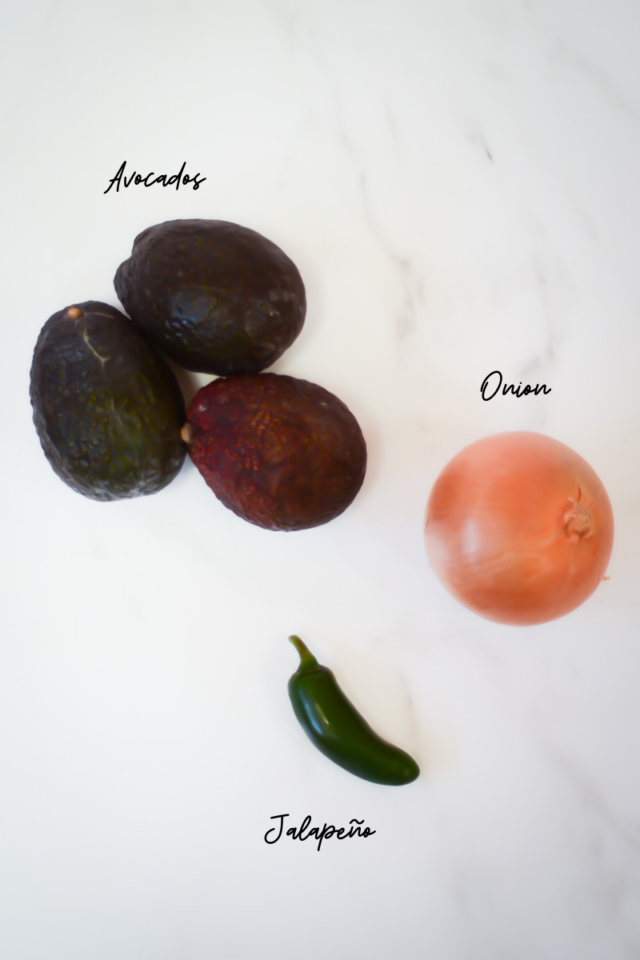
Some of the ingredients needed to make guacamole.

Avocados – Make sure these are as close to perfectly ripe as possible.

Onion – Any type of onion will work here. You could even use a shallot in a pinch.

Jalapeño – Remove the ribs and seeds for less spice, leave them in or even add another whole jalapeño if you want more spice.
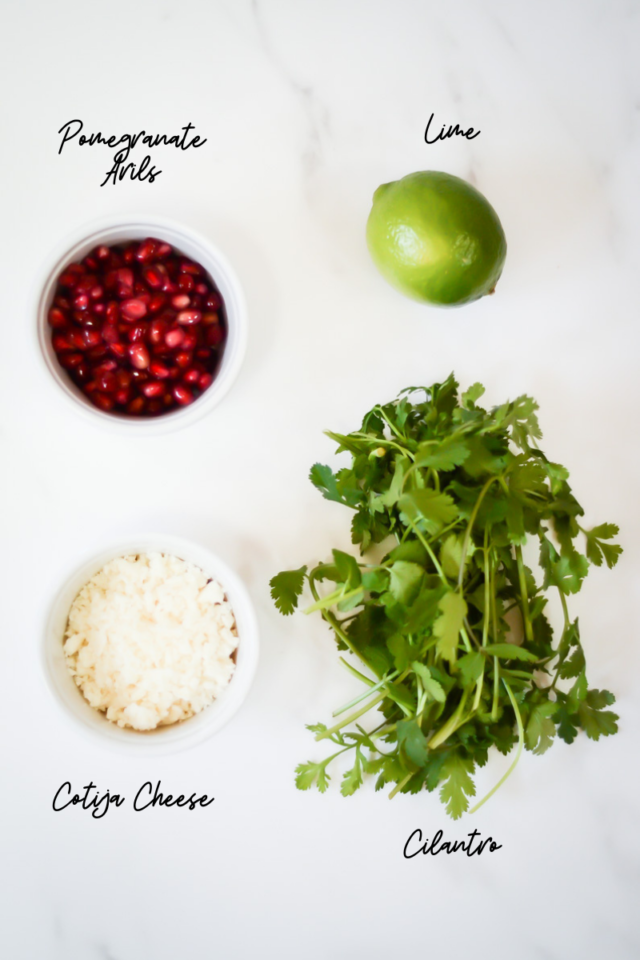
More ingredients needed to make guacamole with cotija and pomegranate.

Lime juice – Fresh lime juice adds a tang and also keeps the guacamole from getting too brown.

Cilantro – If you’re a cilantro-hater you can leave it out, but I think cilantro is one of the most necessary ingredients of a good guac.

Cotija cheese – Any large supermarket with a good cheese department should have cotija. It most often comes packed as a hard block or wheel that you would then crumble up, much like goat cheese. If you can’t find cotija, you can always use crumbled goat cheese as a substitute.

Pomegranate arils – You can find these already separated from the whole pomegranate at most grocers, but you could also buy a whole pomegranate and remove the arils yourself. To do so, cut the pomegranate in half and submerge it in a large bowl of cold water. The arils should then come out and, if not, gently use your fingers to pull them out.

Step-by-Step Instructions

The great thing about this recipe is that there is absolutely no cooking involved. Here’s how to whip up this guacamole in 10 minutes or less.

Place all of the ingredients except for the cotija and pomegranate arils in a medium mixing bowl.
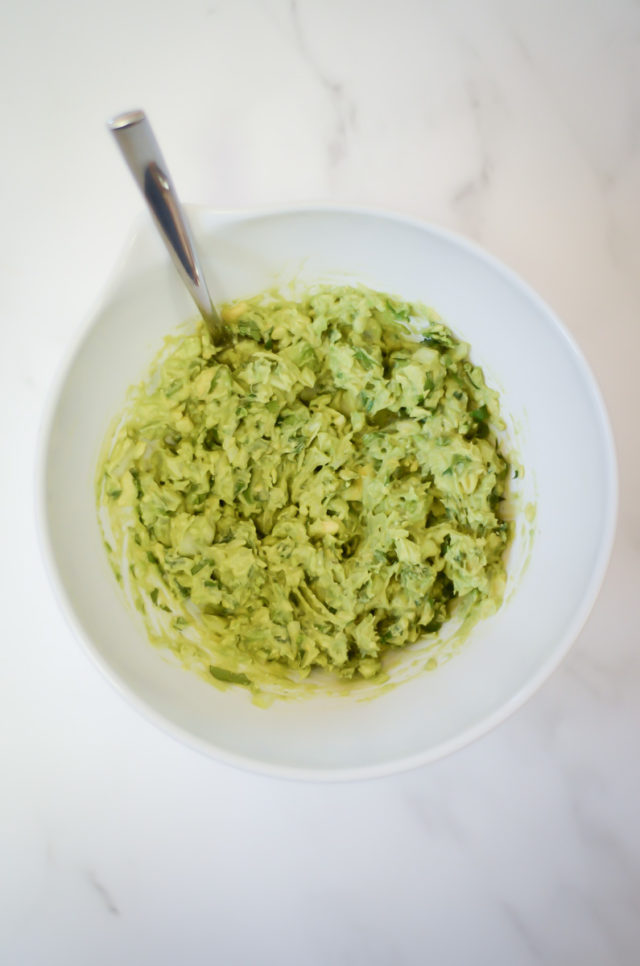
Overhead shot of a mixing bowl of guacamole.

Using a fork, mash the avocado and stir together all of the ingredients. This is where you can choose how creamy or chunky you want your guacamole to be.
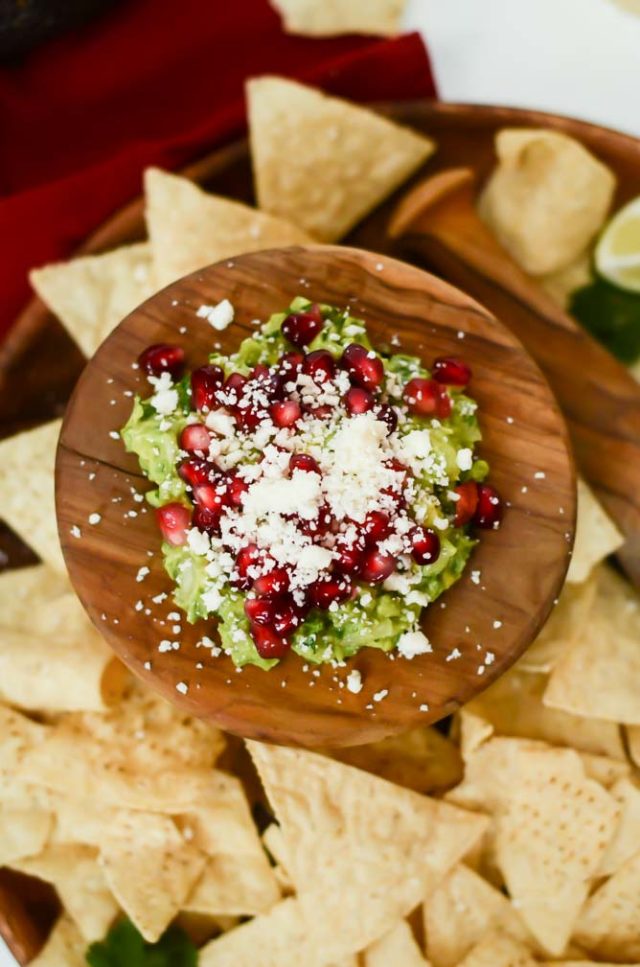
An overhead shot of Festive Guacamole in a bed of tortilla chips.

Transfer the guacamole to a serving dish and sprinkle cotija cheese and pomegranate arils over top. Serve with tortilla chips or use to top your favorite Mexican dish!

FAQs

How do I keep my guacamole from turning brown once I make it?

For best results, serve this guacamole immediately after making it. If you need it to last a while, I suggest making the guacamole base (without the cotija and pomegranate toppings), dribbling a small layer of water or lime juice over top, and covering it tightly with a lid. When it’s time to serve, pour off the liquid and top with the cotija and pomegranate.

What are the secrets to a really good guacamole?

To make a stellar guacamole, (1) always use minced garlic or garlic powder; (2) use plenty of citrus to keep it fresh; (3) don’t skimp on the salt, and (4) make it as close to serving time as possible.

What are some other toppings I can add to my guacamole?

While the combination of cotija cheese and pomegranate arils is one of my favorites, there are some other great combinations as well. Check out this recipe for Kimchi Bacon Guacamole, or experiment with toppings like pepitas, fresh fruit such as peaches or strawberries, corn, black beans, radishes, shrimp or jicama. There are so many options!

Find the web story for this recipe here.
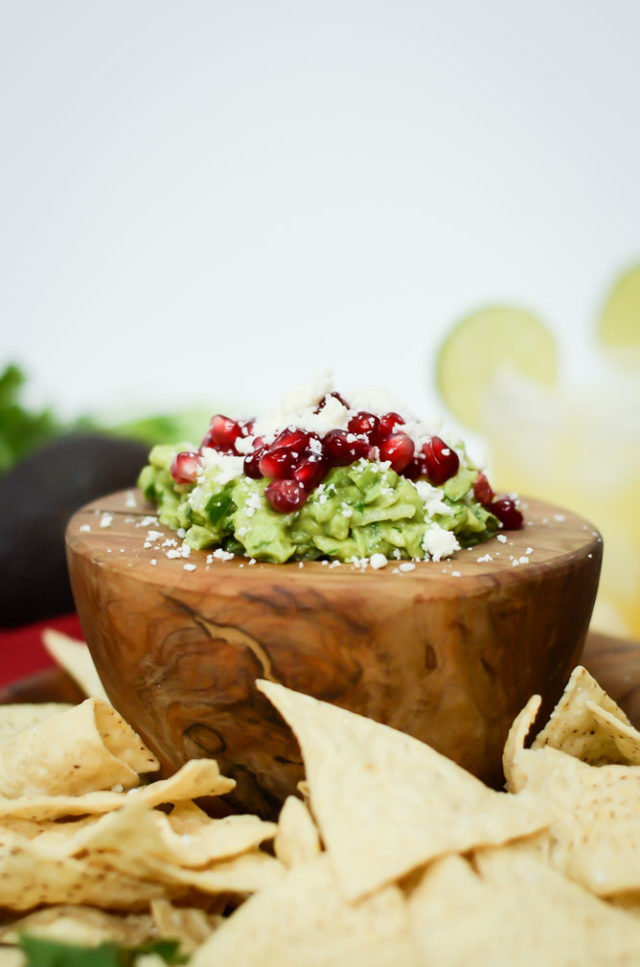
A wooden mortar filled with guacamole, surrounded by tortilla chips.

More Mexican-Inspired Recipes

Kimchi Bacon Guacamole

Frozen Watermelon Peach Margaritas

Healthy Shrimp and Poblano Enchilada Quinoa Bake

Coctel de Camarones

“Feed-a-Crowd” Make-Ahead Breakfast Enchiladas

The Most Refreshing Tropical Sangria

Cherry Salsa

Tried this recipe and loved it?? Be sure to leave a comment and five-star rating in the recipe card below! 
An overhead shot of Festive Guacamole in a bed of tortilla chips.

Festive Guacamole with Cotija and Pomegranate

This Festive Guacamole with Cotija and Pomegranate is just the recipe you need to kick your guacamole up a notch. You’ll never want plain guacamole again!
5 from 1 vote
Print Pin Rate
Course: Appetizer, Side Dish, Snack
Cuisine: Mexican
Diet: Gluten Free, Vegetarian
Prep Time: 15 minutes minutes
Total Time: 15 minutes minutes
Servings: 8 people
Calories: 150kcal
Author: CaliGirl Cooking

Equipment

  • Chef's knife
  • Cutting board
  • Medium mixing bowl
  • 1/2 cup measure
  • 1/3 cup measure
  • Fork to mix

Ingredients

  • 1/4 onion, diced
  • 2 large cloves garlic, minced
  • 1 jalapeno, seeded and minced
  • 1/2 cup loosely packed chopped cilantro
  • 3 medium avocados
  • Juice of 1 lime
  • 1/4 teaspoon salt
  • 2 ounces crumbled cotija cheese
  • 1/3 cup pomegranate arils

Instructions

  • Combine onion, garlic, jalapeno, cilantro, avocados and lime juice in a medium mixing bowl, using the fork to mash up the avocado as you stir. 
  • Stir in the salt, add more to taste if necessary.
  • Scoop guacamole into whatever dish you will be serving it in and top with cotija cheese and pomegranate arils. Serve with tortilla chips.

Notes

  1. To keep the guacamole from browning if not serving immediately, cover it with a thin layer of water or lime juice and then either plastic wrap or a tight-fitting lid in the refrigerator.
  2. For best results, don’t top with cotija cheese and pomegranate arils until just before serving.
  3. Feel free to substitute queso fresco or even crumbled feta or goat’s cheese if you can’t get a hold of cotija.

Nutrition

Calories: 150kcal | Carbohydrates: 9g | Protein: 3g | Fat: 13g | Saturated Fat: 3g | Cholesterol: 6mg | Sodium: 158mg | Potassium: 400mg | Fiber: 5g | Sugar: 2g | Vitamin A: 226IU | Vitamin C: 13mg | Calcium: 45mg | Iron: 1mg
Tried this Recipe? Pin it for Later!Mention @CaliGirlCooking or tag #CaliGirlCooking!
« Greek Yogurt Berry Tart with Almond Crust (Gluten-Free!)
What to Cook with Your Kids When You’re All Stuck at Home »

Reader Interactions

5 from 1 vote (1 rating without comment)

Leave a Reply Cancel reply

Your email address will not be published. Required fields are marked *

Recipe Rating


Primary Sidebar

Hi, I'm Robin! I'm a busy mom, food blogger and online educator empowering other mamas to find their very own recipe for a balanced life through meal planning, easy recipes and organizational techniques. I look forward to getting to know you and teaching you my tried and true tricks!

Popular Recipes

Three jars of Oat Milk Chia Pudding topped with Blueberry Orange Compote on a wooden serving plank.

Oat Milk Chia Pudding with Blueberry Orange Compote

A mug of Sleepytime Lavender Milk is the perfect bedtime treat for a good night's sleep.

Sleepytime Lavender Milk

Three-Ingredient Calabrian Chili Spread | CaliGirlCooking.com

The Easiest Three-Ingredient Calabrian Chili Sauce

Spicy Poke Bowls | CaliGirlCooking.com

Spicy Poke Bowls

BEST MEMORIAL DAY RECIPES

Ginger Peach Cobbler

Easy Mango Salsa

Honey, Peach & Basil Two-Cheese Grilled Cheese | CaliGirl Cooking

Honey, Peach & Basil Two-Cheese Grilled Cheese

A big bowl of refreshing Watermelon Caprese Salad with Prosciutto. The perfect summer salad!

Watermelon Caprese Salad with Prosciutto

Copyright © 2020 CaliGirl Cooking · Privacy Policy | Accessibility Statement

163 shares
  • 7
163 shares
  • 7

Rate This Recipe

Your vote:


A rating is required
A name is required
An email is required

Recipe Ratings without Comment

Something went wrong. Please try again.